
Thermal drones can make roof inspections faster, safer, and easier to document. The right model helps you spot heat loss, moisture intrusion, and problem areas without climbing every slope.
This roundup focuses on practical choices for contractors, inspectors, and property managers who need clear thermal detail, stable flight performance, and useful capture tools.
Best 10 Thermal Drones for Roof Inspection Picks for 2026
Enterprise Thermal Drone
Autel EVO II Dual 640T V3 for Roof Inspection

- 640x512 thermal sensor with 30 fps output
- 50MP visible camera with 4x lossless zoom
- 10+ temperature measurement modes and analysis tools
Best For: Professional roof inspection and other advanced thermal missions
Handheld Thermal Imager
GT14S Compact Inspection Camera
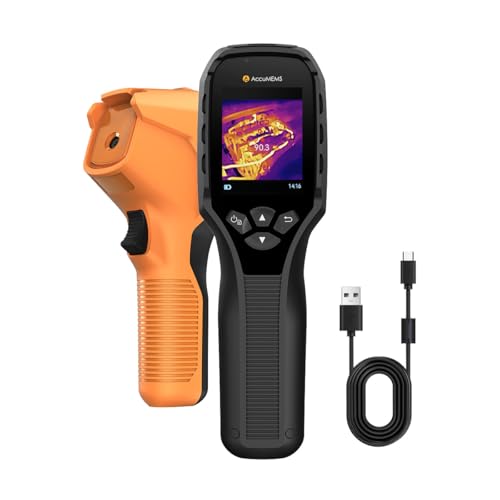
- Thermal imaging plus thermometer mode
- Compact 240g handheld design
- Up to 14 hours of runtime
Best For: Ground support during roof inspection and quick temperature checks
Enterprise Inspection Drone
Autel EVO II Dual 640T Enterprise V3

- 640x512 thermal camera with 30Hz imaging
- 50MP visible sensor with Moonlight Algorithm 2.0
- 42-minute flight time and 15KM transmission
Best For: Enterprise roof inspection and professional mission work
Portable Thermal Camera

- AI scene recognition with IntellFault
- 240x240 super resolution thermal imaging
- 11-hour battery life with IP54 protection
Best For: Support inspections for roofs, HVAC, and buildings
Enterprise Thermal Mapping
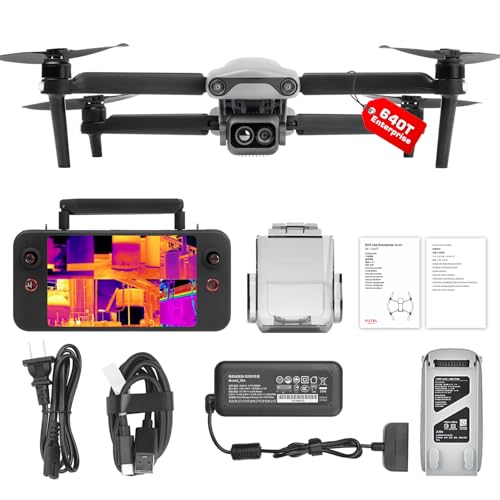
- 640x512 thermal sensor with 30Hz output
- 48MP visible camera with 16x digital zoom
- 40-minute flight time and 12km transmission
Best For: roof inspection teams needing thermal detail and AI-assisted mapping
Pocket Thermal Scanner

- 128x128 thermal with 240x240 TISR enhancement
- 25Hz refresh rate plus temp alerts
- 15-hour battery life in a pocket-sized body
Best For: ground-level roof and leak checks alongside drone inspections
Full Mission Roof Platform

- 640x512 thermal sensor with 48MP visible camera
- Includes spare batteries, propellers, and protector case
- 12km transmission with up to 40-minute flight time
Best For: roof inspection crews wanting extra accessories and extended field readiness
Compact Thermal Handheld

- 240x240 super-resolution imaging
- 25Hz refresh rate for smoother viewing
- IP54 and 6.6-foot drop resistance
Best For: Portable spot-checks during roof inspection workflows
Best Heavy-Duty Pick
EVO II Dual 640T Enterprise V3
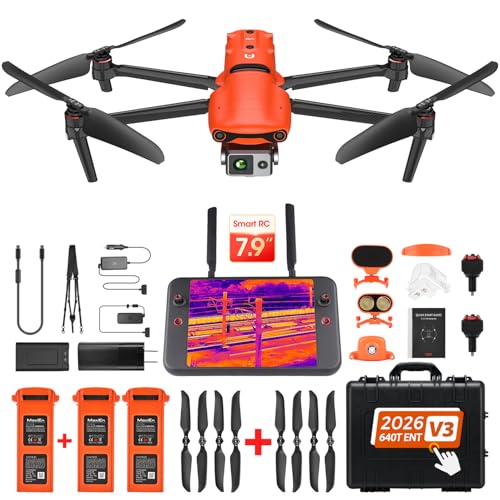
- 640x512 thermal camera at 30 fps
- 50MP visible camera with 16x zoom
- Up to 42 minutes flight time
Best For: Professional roof inspection teams needing enterprise thermal imaging
Advanced Multi-Sensor Drone
EVO Max 4T V2 Multi-Sensor Drone

- 640x512 thermal plus 48MP cameras
- Laser rangefinder for distance checks
- 720-degree obstacle avoidance
Best For: Commercial roof inspections that need thermal, zoom, and measurement tools
Enterprise Thermal Drone – Autel EVO II Dual 640T V3 for Roof Inspection
If you need thermal drones for roof inspection, the Autel EVO II Dual 640T V3 is built for detailed aerial imaging with a 640×512 thermal sensor, 50MP visible camera, and long-range video transmission. It is a strong fit when you want to spot heat differences, capture clear visual context, and review temperature data from the air.
Best For: Teams that want a high-resolution thermal drone for roof inspection, public safety, and other professional aerial thermal work.
Pros:
- 640×512 thermal imaging with 30 fps support for clearer roof scans
- 50MP visible camera with 0.8" CMOS sensor and 4x lossless zoom
- 10+ temperature measurement modes plus picture-in-picture and thermal analysis tools
- 38-minute flight time and up to 15KM video transmission
Cons:
- Designed as a full-featured enterprise drone, so it is more than a basic inspection tool
- Best value is strongest when you need its advanced thermal and measurement features
For buyers comparing thermal drones for roof inspection, this model stands out for its mix of thermal resolution, visual detail, and mission-oriented flight performance. It is especially appealing when inspections require both temperature checking and a crisp record of what is happening on the roof.
Handheld Thermal Imager – GT14S Compact Inspection Camera
The GT14S is not a drone, but it can still support thermal drones for roof inspection workflows by helping you verify hotspots, temperature changes, and problem areas from the ground. Its compact body, thermometer mode, and broad temperature range make it a practical handheld option for quick diagnostic checks.
Best For: Ground-level thermal checks that complement roof inspection work and quick on-site temperature readings.
Pros:
- Dual-mode inspection with thermal imaging and thermometer mode
- Compact 240g design for easy handheld use
- Up to 14 hours of runtime for long inspection days
- Wide -4°F to 1202°F measurement range with custom alarms
Cons:
- Handheld thermal camera, so it cannot replace an aerial drone for roof coverage
- Best used as a support tool rather than a primary roof inspection platform
If you want a simple thermal tool to pair with aerial work, the GT14S offers strong portability and long battery life. It is best viewed as an inspection companion rather than one of the thermal drones for roof inspection itself.
Enterprise Inspection Drone – Autel EVO II Dual 640T Enterprise V3
For buyers looking at thermal drones for roof inspection, the Autel EVO II Dual 640T Enterprise V3 offers a strong inspection-focused feature set with a 640×512 thermal camera, 50MP visible sensor, and 15KM transmission. It is built for users who need clear thermal detail, long flight time, and extra mission equipment on a professional platform.
Best For: Professional roof inspection teams that want an enterprise drone with thermal imaging and expanded mission accessories.
Pros:
- 640×512 thermal sensor with 30Hz imaging and 13mm lens
- 50MP 0.8" RYYB camera with Moonlight Algorithm 2.0
- 10 temperature measurement modes and 10 thermal color palettes
- 42-minute flight time with up to 15KM video transmission
Cons:
- Enterprise bundle is more feature-heavy than a simple inspection drone
- RTK is not included in this package
This version is a compelling option when roof inspections call for thermal detail plus broad operational flexibility. Its extra accessories and long transmission range make it well suited to professional workflows that go beyond basic imaging.
Portable Thermal Camera – HF96 for Building Inspection
The HF96 is a handheld thermal camera, not a drone, but it can still be useful alongside thermal drones for roof inspection when you need close-up verification of heat loss, leaks, or insulation issues. Its AI scene recognition, laser pointer, and super-resolution imaging make it a practical tool for ground-based inspection work.
Best For: Inspectors who want a compact thermal camera to support roof, HVAC, and building diagnostics.
Pros:
- AI scene recognition with IntellFault for faster issue detection
- 240×240 live super resolution for clearer thermal images
- Thermometer, thermal camera, and laser pointer in one tool
- 11-hour battery life with rugged IP54 protection
Cons:
- Handheld device, so it does not provide aerial roof coverage
- No moisture readings, despite its leak-detection scene modes
As a support tool, the HF96 is a smart pick for confirming what a roof inspection drone spots from above. It is especially useful when you want a portable camera for closer thermal checks and documentation.
Enterprise Thermal Mapping – Autel EVO Lite 640T
If you need thermal drones for roof inspection, the Autel EVO Lite 640T Enterprise is built for detailed airborne checks with a 640×512 thermal sensor, 48MP visible camera, and 16x digital zoom. Its 40-minute max flight time and 12km transmission range make it a strong fit for covering larger roof sections without constant breaks.
Best For: Teams that want a lightweight enterprise drone with thermal imaging, AI target recognition, and long-range live view for roof inspections.
Pros:
- 640×512 thermal imaging at 30Hz for spotting heat anomalies
- 48MP visible camera plus 16x digital zoom for clearer documentation
- AI target recognition with real-time projection to a digital map
- 40-minute max flight time and up to 12km transmission
Cons:
- Enterprise-focused setup may be more than casual users need
- Single battery in the basic combo means fewer included spares
- At 866g, it is still portable but not ultra-light
For roof inspection work where thermal detail and image clarity matter, this Autel model stands out as a capable all-in-one platform. The combination of thermal, visible, and AI-assisted tools makes it a practical choice when you want inspection data you can trust.
Pocket Thermal Scanner – TOPDON TC004 Mini
The TOPDON TC004 Mini is a handheld option for thermal drones for roof inspection support when you want a quick ground-level check before or after a flight. It offers 128×128 thermal resolution enhanced to 240×240 with TISR, a 25Hz refresh rate, and smart high/low temperature alerts for fast diagnostics.
Best For: Inspectors who want a portable thermal camera for confirming roof issues, leaks, or electrical hot spots alongside drone work.
Pros:
- 240×240 enhanced thermal resolution with TISR
- 25Hz refresh rate and 40° x 30° field of view
- High/low temp alerts with automatic photo capture
- 15-hour battery life and pocket-friendly design
Cons:
- Not a drone, so it cannot replace aerial roof coverage
- 128×128 native thermal resolution is modest before enhancement
- Built-in storage is limited compared with full inspection systems
For buyers who want a compact thermal tool to complement drone inspections, the TC004 Mini is easy to carry and straightforward to use. It is best viewed as a support camera rather than a primary aerial inspection platform.
Full Mission Roof Platform – Autel EVO Lite 640T Bundle
For thermal drones for roof inspection, the Autel EVO Lite 640T Enterprise Bundle adds the same 640×512 thermal sensor and 48MP visible camera, but with extra accessories that make field work easier. The bundle includes spare batteries, extra propellers, a gimbal cover, and a protector case, which is helpful when you need longer days on site and better gear protection.
Best For: Roof inspectors who want a ready-to-go bundle with thermal imaging, visible detail, and extra accessories for field use.
Pros:
- 640×512 thermal imaging with 30Hz capture
- 48MP visible camera and 16x digital zoom for documentation
- Bundle includes spare batteries, extra propellers, and a protector case
- 12km transmission and up to 40-minute max flight time
Cons:
- Heavier than compact consumer drones at 866g
- Enterprise bundle is likely more than basic users need
- Advanced features may be unnecessary for simple spot checks
This bundle is the most field-ready option here because it pairs the inspection hardware with useful extras. If you want a platform that is better suited to repeated roof jobs, the included accessories add real practical value.
Compact Thermal Handheld – 240×240 25Hz Infrared Camera
If you need a simple tool for thermal drones for roof inspection support work, this handheld thermal camera is a practical choice for spot-checking hot spots, leaks, and electrical issues from the ground. Its 240×240 super-resolution imaging, 25Hz refresh rate, and 50b0 field of view make it easier to scan broad roof areas and quickly notice abnormal heat patterns.
Best For: Inspectors who want a portable thermal imager for quick roof-related temperature checks and general maintenance work.
Pros:
- 240×240 super-resolution imaging helps reveal more detail during inspections.
- 25Hz refresh rate provides smoother live thermal viewing.
- Temperature alarm can flag abnormal high or low readings quickly.
- IP54 protection and 6.6-foot drop resistance improve jobsite durability.
Cons:
- Handheld design is not a drone and cannot inspect a roof from the air.
- Best suited to supplemental thermal checks rather than full aerial mapping.
Overall, this is a solid budget-friendly thermal imaging option when you want portable temperature detection rather than a full enterprise drone platform. It works best as a companion tool for confirming problem areas identified during roof inspection workflows.
Best Heavy-Duty Pick – EVO II Dual 640T Enterprise V3
For thermal drones for roof inspection, the Autel EVO II Dual 640T Enterprise V3 is built for serious aerial imaging with a 640×512 thermal sensor, 30 fps capture, and a 13mm lens. The 50MP visible camera, 16x digital zoom, and 42-minute flight time make it a strong fit when you need to survey roof surfaces, compare heat signatures, and keep more distance from the structure.
Best For: Professional teams that need an enterprise drone with thermal imaging, long transmission range, and extended flight time for roof inspections.
Pros:
- 640×512 thermal imaging at 30 fps supports detailed aerial temperature analysis.
- 16x digital zoom and 50MP visible camera add useful inspection detail.
- Up to 42 minutes of flight time helps cover larger roofs more efficiently.
- 15 km transmission range and smart controller support extended operations.
Cons:
- Enterprise-focused pricing and capabilities may be more than casual users need.
- Modular accessories and advanced features add complexity compared with simpler drones.
This model stands out when inspection quality matters more than simplicity. If your workflow depends on dependable thermal drone coverage, zoom detail, and long-range control, it is one of the most capable choices in this group.
Advanced Multi-Sensor Drone – EVO Max 4T V2 Multi-Sensor Drone
When you’re comparing thermal drones for roof inspection, the Autel EVO Max 4T V2 adds more than just a thermal camera. It combines a 640×512 thermal sensor with a 48MP wide camera, a 48MP zoom camera, and a laser rangefinder, giving you multiple ways to document roof conditions, measure distances, and inspect hard-to-reach areas.
Best For: Inspectors and operators who want a multi-sensor commercial drone for roof work, mapping, and detailed documentation.
Pros:
- 640×512 thermal camera pairs with wide and zoom cameras for layered inspection views.
- Laser rangefinder adds distance measurement from 16.4 to 3737 feet.
- 720-degree obstacle avoidance and anti-jamming features support complex environments.
- Hot-swappable battery with in-place detection helps improve operational safety.
Cons:
- Feature set is extensive, so it may be more drone than a basic roof inspector needs.
- Advanced autonomy and networking tools are geared toward professional operations.
This is a strong pick if you want a roof-inspection drone that can do thermal checks, visual documentation, and measurement in one platform. Its sensor mix and autonomy features make it especially appealing for demanding commercial workflows.
How We Picked the Best Thermal Drones for Roof Inspection
We prioritized drones with strong thermal resolution, dependable flight stability, and features that matter in real inspection work, such as zoom, obstacle awareness, Remote ID support, and accurate temperature measurement. We also favored models that balance thermal performance with visible-light image quality for better reporting.
Because Thermal Drones for Roof Inspection are used in both tight residential settings and larger commercial properties, we looked for options that cover different budgets and use cases, from handheld thermal tools to advanced aerial platforms.
Quick Comparison
For simple spot checks and budget-conscious users, handheld thermal cameras can be useful on the ground but they do not replace aerial coverage. For serious roof inspections, drones with 640×512 thermal sensors, longer flight times, and better zoom generally offer the most usable data.
If you inspect large roofs or need more distance from the structure, prioritize stronger transmission range, higher-end thermal performance, and enterprise features. For smaller jobs, a lighter platform with solid thermal clarity may be the better value.
Key Buying Factors for Thermal Drones for Roof Inspection
Thermal Resolution and Sensitivity
Higher thermal resolution helps reveal subtle temperature differences across shingles, flashing, vents, and seams. A 640×512 sensor is a strong target for professional roof work, while lower-resolution models are better suited to basic screening.
Visible Camera Quality
Thermal imaging is most useful when paired with a sharp visible camera. Clear RGB footage improves documentation, helps confirm location, and makes it easier to explain findings to clients.
Flight Time and Control Range
Longer battery life lets you inspect larger roofs with fewer interruptions. Good control range also matters when you need to stay safely positioned away from tall structures, trees, or interference.
Zoom, Stability, and Safety Features
Optical or lossless zoom helps you inspect details without flying too close. Stable hovering, obstacle awareness, and reliable return-to-home functions are especially important around chimneys, edges, and other roof hazards.
Reporting and Compliance
Remote ID support, temperature alarms, and different color palettes can make inspections easier to document and operate legally. If you work commercially, consider how the drone fits your workflow for exports, annotations, and client reports.
Who Should Buy Which Thermal Drones for Roof Inspection?
Contractors and inspectors who need the most detailed aerial data should lean toward enterprise-grade thermal drones with 640×512 imaging and stronger zoom. Property managers and multi-site teams may prefer models with longer flight time and dependable range for recurring inspections.
If you mainly need quick diagnostics or occasional thermal checks, a simpler handheld camera may be enough, but it is not the best substitute for a drone when you need full roof coverage. For most professional users, the best choice is the model that combines thermal clarity, manageable flight controls, and the features you will actually use on rooftops.